
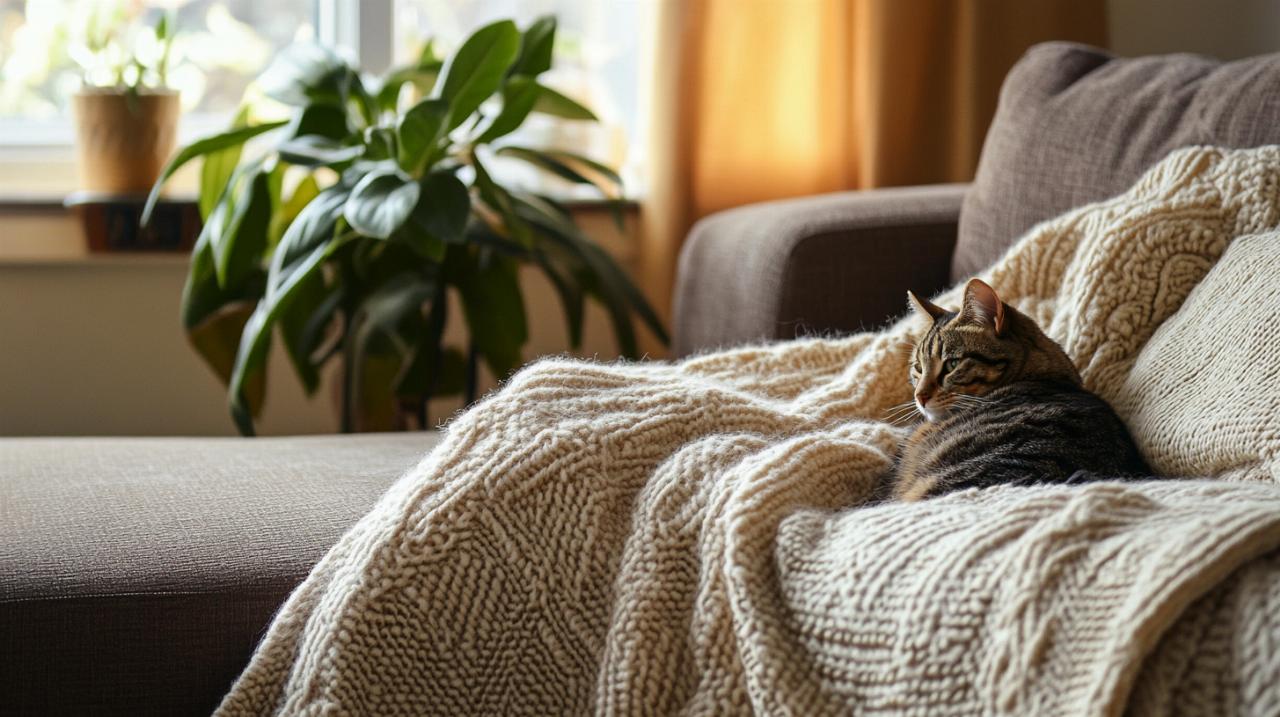
Anyone who shares their home with a feline companion knows the daily struggle of keeping blankets and throws free from those persistent strands of fur. As much as we adore our cats, their hair seems to find its way into every fibre of fabric around the house. Fortunately, tackling this issue does not require expensive gadgets or specialist equipment. With a few clever techniques using items you likely already have at home, you can restore your blankets to a cleaner, more presentable state without opening your wallet.
Quick hands-on techniques for immediate results
Sometimes the simplest solutions are the most effective, and this certainly holds true when it comes to removing cat hair from soft furnishings. Your own hands, coupled with a few everyday items, can work wonders in gathering up those stubborn fibres. These methods are particularly useful when you need a quick fix before guests arrive or when you simply want to refresh a favourite throw without a full wash cycle.
The rubber glove method: your secret weapon against fur
One of the most surprisingly effective tools in the battle against pet hair is a humble rubber glove. The kind you might use for washing up or household cleaning creates the perfect friction to attract and gather cat hair. Simply put on a slightly damp rubber glove and run your hand across the surface of the blanket in firm, sweeping motions. The hair will clump together and roll into small bundles that you can easily pick off. This technique works because the rubber creates static electricity and the texture grabs onto individual hairs, pulling them away from the fabric. For best results, work in one direction and rinse the glove periodically to remove the accumulated fur before continuing.
Using Damp Sponges and Kitchen Tools for Effective Hair Gathering
Another handy method involves a damp sponge, particularly those designed for cleaning or a dedicated pet hair sponge if you happen to have one. Lightly moisten the sponge and wipe it across the blanket in long strokes. The dampness helps the fibres stick to the sponge whilst the texture lifts them away from the fabric. Kitchen sponges with a slightly rough side work particularly well, though be gentle on delicate materials to avoid snagging. A microfibre cloth dampened with water serves a similar purpose, offering a soft yet effective way to collect hair without risking damage to sensitive fabrics. These methods are excellent for spot-cleaning smaller areas or targeting particularly hair-laden sections before moving on to more comprehensive cleaning strategies.
Sticky Solutions: Tape and Lint Rollers on a Budget
When it comes to convenience and immediate satisfaction, few methods beat the simplicity of sticky surfaces for removing pet hair. Whether you invest in a proper lint roller or improvise with household tape, these approaches offer visible results with minimal effort. They are perfect for last-minute touch-ups and work exceptionally well on smaller blankets or targeted areas where hair has accumulated.
Diy lint roller alternatives using household tape
If you do not have a lint roller to hand, ordinary sticky tape can serve as an excellent substitute. Wrap a length of strong adhesive tape around your hand with the sticky side facing outward, then pat and press it against the blanket surface. The tape will pick up hair effectively, and once it becomes covered with fur, simply discard that section and wrap a fresh piece. Packing tape or duct tape tends to work best due to their strong adhesive properties, though any reasonably sticky tape will do in a pinch. This method allows you to control exactly where you apply pressure and is particularly useful for reaching into corners or along seams where hair tends to gather. For those who want to explore more home improvement tips and interior design solutions, you might want to visit casaxalon.es for additional inspiration on maintaining a beautiful living space.
Maximising your existing lint roller for best coverage
If you already own a lint roller, whether the traditional adhesive type or a newer silicone version, using it efficiently can save both time and money. Work in overlapping strokes across the entire surface of the blanket, applying firm pressure to ensure the roller makes good contact with the fabric. Silicone rollers can be rinsed and reused indefinitely, making them a sustainable choice, whilst traditional sticky rollers should have their sheets peeled away as they become saturated with hair. For larger blankets, work in sections to ensure thorough coverage, and do not forget to go over the edges and any folded areas where hair might hide. Regular use of a lint roller between washes can significantly reduce the amount of hair that makes it into your washing machine.
The outdoor shake: simple physics for fur removal
Never underestimate the power of a good old-fashioned shake. This traditional method relies on nothing more than gravity and a bit of vigorous movement to dislodge loose hair from fabric. It is completely free, requires no equipment whatsoever, and can be remarkably effective when done properly. Best of all, taking your blanket outside means any dislodged hair ends up in your garden rather than scattered across your floors.
Proper shaking technique for maximum hair release
The key to effective blanket shaking lies in technique rather than brute force. Hold the blanket firmly at two corners and give it several sharp, quick snaps, allowing the fabric to billow and ripple. This motion creates waves that travel through the material, dislodging hair from the fibres. Alternate between holding different corners to ensure you shake the blanket from multiple angles. For larger or heavier blankets, you might find it helpful to drape them over a washing line or railing and beat them gently with your hand or a clean broom handle, much like the traditional carpet-beating method. This releases hair that has worked its way deeper into the weave. Regular shaking between washes can prevent hair from becoming too embedded in the fabric, making subsequent cleaning efforts far easier.
When and Where to Shake Your Blankets Effectively
Timing and location matter when it comes to shaking out blankets. Choose a dry, breezy day if possible, as the wind will help carry away the loosened hair. Position yourself downwind to avoid getting covered in the very fur you are trying to remove. A garden, balcony, or outdoor area works best, keeping the mess outside your living space. If you live in a flat without outdoor access, an open window can work, though be mindful of neighbours below. Some people find that giving their blankets a quick shake before placing them in the washing machine removes enough loose hair to prevent the lint trap from becoming overwhelmed. Consider making this a regular habit, perhaps once a week, to keep hair buildup to a manageable level.
Tumble dryer tricks: using what you already own
Your tumble dryer can be a powerful ally in the fight against cat hair, even if you are not actually washing the blanket. A short cycle in the dryer helps to loosen embedded hair, making it easier to remove with other methods. This approach works particularly well as a preparatory step before using tape or gloves, or as a way to freshen up a blanket between proper washes.
Why cool settings work best for loosening cat hair
When using your dryer to remove pet hair, always opt for a cool or no-heat setting. Heat can sometimes set hair more firmly into certain fabrics, especially synthetic materials, making it harder to remove later. The tumbling action alone is often sufficient to shake loose the hair, which will then collect in your lint trap. Run the blanket through a ten to fifteen-minute cycle, checking the lint filter afterwards. You will likely be surprised by how much hair has been captured. This method is gentle enough for most fabrics and can be repeated as needed without risk of damage or shrinkage that might occur with heated cycles.
Adding Dryer Sheets or Tennis Balls to Boost Results
Enhancing your dryer cycle with a few simple additions can improve hair removal significantly. Tossing in a dryer sheet helps reduce static electricity, which can cause hair to cling stubbornly to fabric. The sheet also leaves your blanket smelling fresh. Alternatively, clean tennis balls or purpose-made dryer balls create additional agitation as they bounce around with the blanket, helping to knock loose embedded hair. Some people swear by adding a slightly dampened towel to the mix, which can attract and gather hair as everything tumbles together. Experiment with these additions to find what works best for your particular blankets and dryer setup. Remember that cats can shed between fifty and one hundred hairs daily, so regular maintenance really does make a difference in keeping your soft furnishings under control.
Washing your blankets: the ultimate deep clean
Whilst the methods above can work wonders for maintenance and quick cleanups, nothing quite matches the thoroughness of a proper wash. Regular laundering not only removes visible hair but also tackles the oils, dander, and odours that come along with it. Done correctly, washing can restore your blankets to nearly new condition without requiring any special products or expense.
Reading Care Labels and Choosing the Right Cycle
Before tossing any blanket into the washing machine, always check the care label for specific instructions. Different materials require different approaches. Cotton blankets typically tolerate regular machine washing on a normal cycle, whilst fleece benefits from a gentle setting to preserve its soft texture. Wool blankets often need particularly delicate handling, sometimes requiring hand washing in cool water to prevent felting or shrinkage. Delicate fabrics may need to be hand-washed in cold water with minimal agitation, limiting wash time to around ten minutes before gently squeezing out excess water and laying flat to dry. For most cat hair situations, a gentle wash cycle works well, as overly vigorous agitation can sometimes work hair more deeply into fabric fibres rather than removing it.
Pre-Treatment Steps to Prevent Fur Clumping in the Wash
Preparation before washing can make all the difference in achieving hair-free results. First, remove as much loose hair as possible using the shaking, glove, or dryer methods described earlier. This prevents your washing machine from becoming clogged with excessive hair and keeps your drainage system clear. Consider placing the blanket in the dryer on a cool setting before washing to capture additional loose hair in the lint trap. When you do wash, adding half a cup of white vinegar to the rinse cycle can help loosen any remaining hair whilst also softening the fabric and eliminating odours. Fabric softeners designed specifically for pet hair removal can also be effective, though plain white vinegar offers a budget-friendly alternative. After washing, check your machine's filter and clean it if necessary to prevent buildup that could affect future loads. Air drying or tumble drying on low heat with a clean dryer sheet will leave your blanket fresh, soft, and remarkably free from cat hair.