
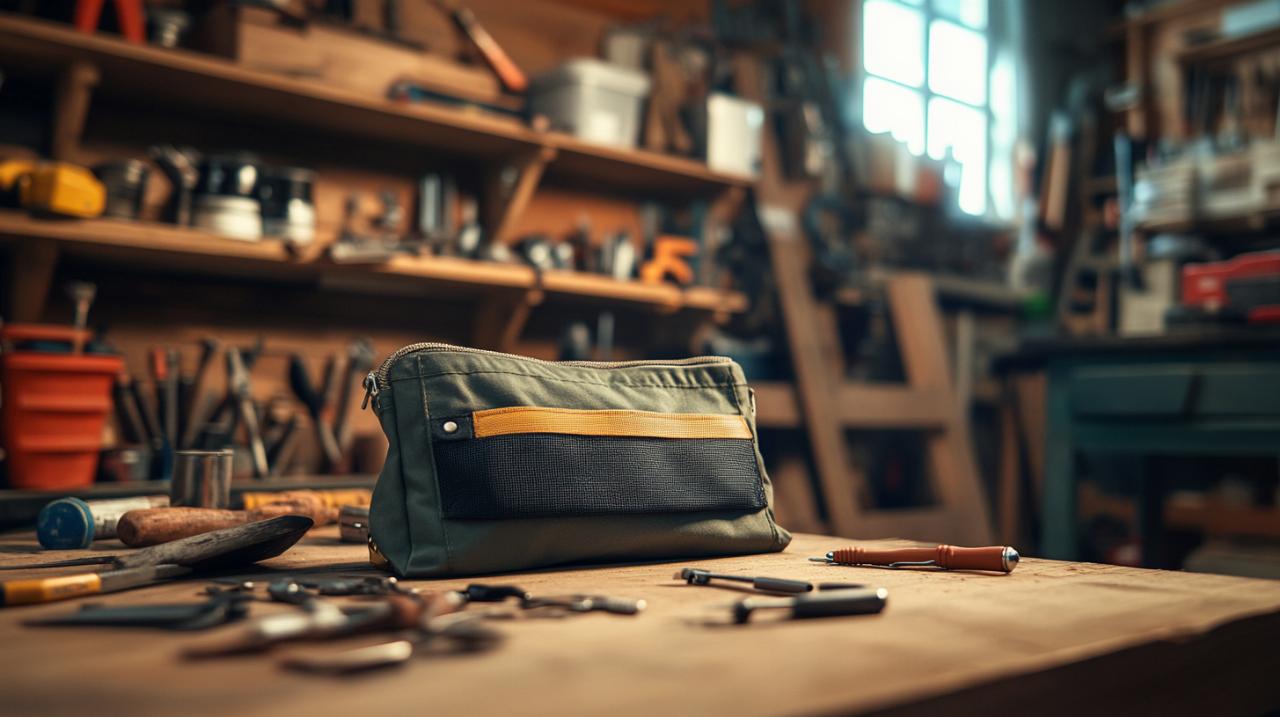
When faced with unexpected emergencies or disasters, the ability to access essential items quickly can make all the difference. Among the various components that contribute to a comprehensive emergency preparedness kit, the dump pouch stands out as a remarkably versatile and practical solution. This often-overlooked piece of equipment serves as a reliable repository for items you might need to retrieve or store in a hurry, ensuring that your disaster preparedness efforts are both efficient and effective. Whether you are assembling a home emergency kit, preparing a go bag for potential evacuation, or ensuring your vehicle is ready for unforeseen circumstances, understanding the value of a well-chosen dump pouch can significantly enhance your overall readiness.
Understanding the Critical Role of Dump Pouches in Emergency Situations
In the realm of disaster preparedness, every element of your survival supplies must serve a clear and immediate purpose. The dump pouch, a simple yet ingenious accessory, fulfils this requirement by providing a flexible storage solution that adapts to the evolving demands of an emergency. Unlike rigid containers that may be cumbersome or difficult to access under pressure, a dump pouch offers a soft, expandable space where you can quickly deposit or retrieve items without fumbling through multiple compartments. This becomes particularly crucial when you are managing emergency supplies such as spare batteries, a first aid kit, or even emergency documents that need to be kept secure yet accessible.
What Makes a Dump Pouch Indispensable for Emergency Readiness
The true value of a dump pouch lies in its ability to streamline your response during a crisis. When disaster strikes, time is of the essence, and the last thing you need is to be rummaging through a cluttered rucksack or struggling with zips and clasps. A dump pouch typically features a wide opening that allows you to toss in or pull out items with minimal effort, making it an ideal addition to your disaster kit. This design is particularly beneficial when you are dealing with emergency food, non-perishable food, or emergency water supplies that may need to be accessed swiftly. Moreover, the pouch can accommodate a variety of survival items, from a torch and wind-up radio to a mobile phone charger and emergency cash, ensuring that your most critical resources are always within reach.
Another advantage of incorporating a dump pouch into your emergency preparedness system is its capacity to keep your kit organised. By designating the pouch for specific categories of supplies, such as sanitation supplies, personal hygiene items, or emergency medications, you can avoid the chaos that often accompanies urgent situations. This level of organisation not only saves precious time but also reduces the risk of forgetting vital items when you are under stress. Furthermore, a well-maintained dump pouch can serve as a temporary holding area for items that you might collect during an emergency, such as spare keys, a whistle, or even local maps, allowing you to keep your hands free and your focus sharp.
Key Features to Look for When Selecting Your Emergency Dump Pouch
Choosing the right dump pouch for your disaster supplies requires careful consideration of several key features. First and foremost, the material should be durable and weather-resistant, capable of withstanding the rigours of both urban and wilderness environments. Look for pouches made from robust fabrics that can endure rough handling, moisture, and exposure to the elements. Waterproofing or water-resistant coatings are particularly valuable, as they help protect sensitive items such as emergency documents, prescription medication, and communication devices from damage during adverse conditions.
The attachment system is another critical factor to evaluate. A versatile dump pouch should offer multiple mounting options, whether that involves MOLLE webbing, belt loops, or quick-release buckles. This flexibility ensures that the pouch can be integrated seamlessly into various setups, from a go bag and car emergency kit to a home emergency kit or even a workplace emergency kit. The ability to adjust the position of the pouch quickly is essential, as it allows you to optimise accessibility based on the specific demands of your situation. Additionally, consider the size and capacity of the pouch. While a compact folding design may be ideal for travel emergency kits or urban scenarios, a larger, heavy-duty option might be necessary for extended emergency situations where you need to carry additional survival supplies.
Visibility and ease of access are also paramount. Some dump pouches feature bright colours or reflective strips that make them easier to locate in low-light conditions, which can be a lifesaver when you are relying on a battery-powered radio, a torch, or emergency lighting. Internal dividers or pockets can help you organise smaller items such as spare batteries, a penknife, or feminine hygiene products, preventing them from getting lost or damaged. Finally, ensure that the pouch is easy to clean and maintain, as regular inspection and care are essential to guarantee its reliability when it matters most.
Top dump pouch configurations for different emergency scenarios
Not all emergencies are created equal, and the ideal dump pouch configuration will vary depending on the context in which it will be used. Understanding the specific demands of different scenarios allows you to tailor your emergency preparedness efforts to maximise effectiveness. Whether you are preparing for a sudden urban evacuation, a prolonged wilderness ordeal, or simply ensuring that your family has the resources needed for a 72-hour kit, selecting the right dump pouch configuration is a decision that should not be taken lightly.
Compact folding designs for urban emergency kits
Urban environments present unique challenges when it comes to disaster preparedness. Space is often at a premium, and the need for portability can be paramount. In these settings, a compact folding dump pouch offers an excellent balance of functionality and convenience. These pouches are designed to collapse into a small, easily transportable package when not in use, making them ideal for inclusion in a go bag, a travel emergency kit, or even a workplace emergency kit. When deployed, they expand to provide ample space for essential items such as a first aid kit, emergency food, emergency water, and a mobile phone charger.
One of the primary benefits of a compact folding design is its ability to integrate seamlessly with other components of your disaster kit. For instance, you can attach it to the exterior of a rucksack using MOLLE webbing or secure it to your belt for immediate access. This versatility is particularly valuable in urban scenarios where you may need to navigate crowded streets, public transport, or confined spaces. The lightweight nature of these pouches also means they do not add significant bulk to your load, allowing you to carry other critical survival supplies such as a battery-powered radio, a torch, spare batteries, and emergency documents without feeling overburdened.
When selecting a compact folding dump pouch for urban use, pay close attention to the quality of the zips and closures. These components must be robust enough to withstand frequent use and rapid deployment, yet smooth enough to operate quickly under pressure. Additionally, consider pouches that incorporate internal organisation features, such as elastic loops or small pockets, which can help you keep smaller items like a whistle, emergency cash, prescription medication, or a tin opener neatly arranged. This level of detail can make a significant difference when you are trying to locate a specific item amidst the confusion of an emergency evacuation.
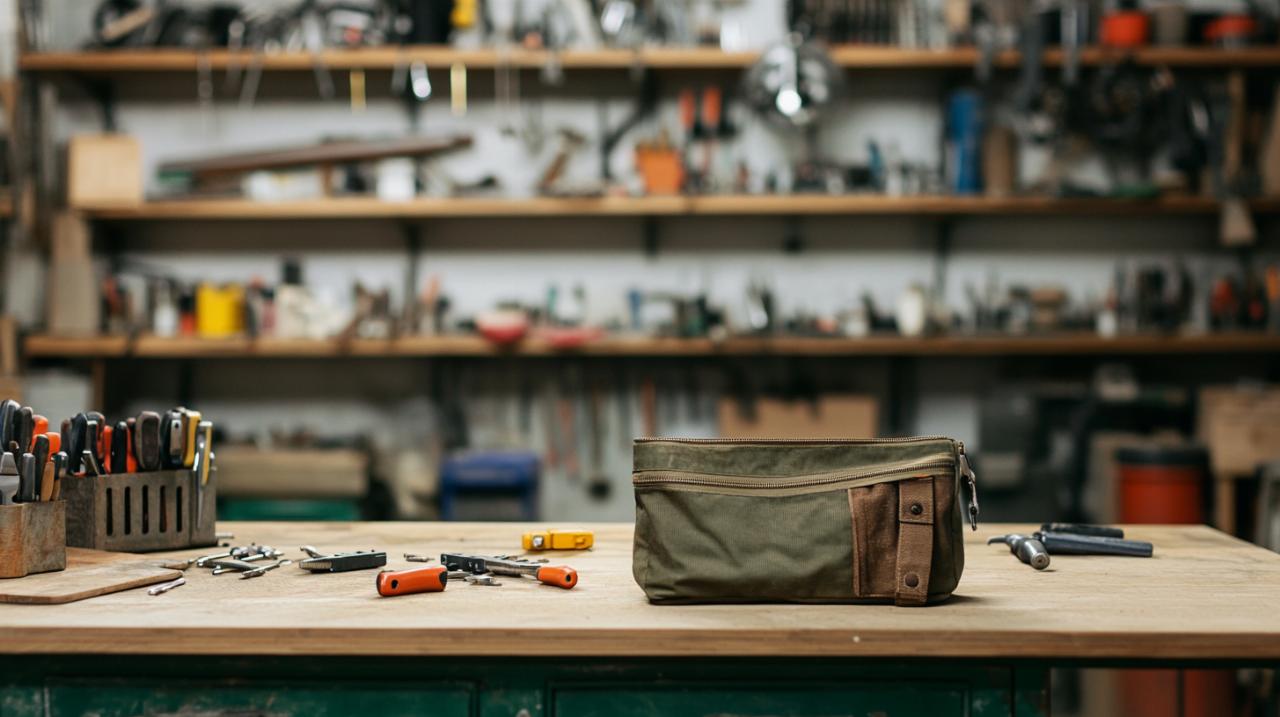
Heavy-Duty Options for Wilderness and Extended Emergency Situations
For those preparing for wilderness survival or extended emergency situations, a heavy-duty dump pouch is an indispensable component of your disaster supplies. These pouches are constructed from thicker, more resilient materials designed to endure the harsh conditions often encountered in remote or rugged environments. Whether you are assembling a survival kit for hiking, camping, or long-term disaster response, a heavy-duty dump pouch provides the durability and capacity needed to carry a wide range of essential items, from emergency shelter materials and paracord to fire starters, matches, and multi-tools.
The larger capacity of these pouches allows you to store bulkier items such as a sleeping bag, emergency blanket, warm clothes, and even emergency food supplies that may be required over several days. In wilderness scenarios, where access to resources is limited and the risk of injury or exposure is heightened, having a reliable means of organising and accessing your survival items can be the difference between discomfort and genuine danger. A heavy-duty dump pouch can also accommodate water purification tools, a water bottle, and an aluminium cup, ensuring that you have the means to maintain hydration and hygiene in the field.
Another advantage of heavy-duty dump pouches is their reinforced attachment systems. These pouches often feature multiple D-rings, heavy-duty carabiners, or reinforced stitching that can withstand significant weight and stress. This makes them suitable for use with larger packs or as standalone units that can be clipped to a vehicle interior or secured to a tree during a camping excursion. The enhanced durability also means that these pouches are less likely to suffer tears or failures, even when subjected to rough terrain, inclement weather, or prolonged use. For those who prioritise long-term disaster preparedness or who spend considerable time outdoors, investing in a heavy-duty dump pouch is a prudent decision that can pay dividends in both safety and convenience.
Proper Integration and Maintenance of Dump Pouches in Your Preparedness System
Owning a high-quality dump pouch is only the first step towards effective emergency preparedness. To truly maximise its utility, you must integrate it thoughtfully into your overall disaster response strategy and commit to regular maintenance. This involves not only choosing the right placement and attachment methods but also ensuring that the pouch and its contents are kept in optimal condition through routine inspection and care. By taking these steps, you can be confident that your dump pouch will perform reliably when it matters most.
Strategic Placement and Attachment Methods for Quick Access
The effectiveness of a dump pouch is largely determined by how and where it is positioned within your emergency kit. Strategic placement ensures that you can access critical items without delay, which can be crucial in high-pressure situations. When integrating a dump pouch into a go bag or rucksack, consider mounting it on the exterior where it is easily reachable without having to open the main compartment. This approach is particularly beneficial for items that you may need to access frequently, such as a torch, spare batteries, a first aid kit, or emergency contact information.
For those who prefer to carry a dump pouch on their person, attaching it to a belt or using a quick-release system can provide unparalleled convenience. This method is especially popular among individuals who engage in activities such as hiking, bushcraft, or tactical training, where the ability to retrieve or stow items rapidly is essential. In a disaster scenario, having your dump pouch secured to your belt allows you to keep your hands free for other tasks, such as navigating obstacles, assisting others, or managing additional survival supplies. Ensure that the attachment mechanism is secure yet easy to operate, as fumbling with complicated buckles or clasps can waste valuable time during an emergency.
Another consideration is the distribution of weight within your kit. A fully loaded dump pouch can become heavy, so it is important to balance its weight against other components of your disaster kit. Avoid overloading the pouch to the point where it becomes cumbersome or difficult to carry. Instead, prioritise the inclusion of essential items such as emergency food, emergency water, a multi-tool, duct tape, and emergency medications, while leaving room for any additional items you may need to collect during an emergency. Regularly reassess the contents of your dump pouch to ensure that it remains lightweight and functional, adjusting as necessary based on changes in your circumstances or the specific requirements of your preparedness plan.
Regular Inspection and Care to Ensure Reliability When It Matters Most
Even the most robust dump pouch requires regular maintenance to remain effective. Over time, exposure to the elements, frequent use, and the weight of stored items can take a toll on the fabric, zips, and attachment points. To prevent failures at critical moments, commit to a routine inspection schedule where you examine every aspect of the pouch for signs of wear, damage, or degradation. Check the stitching for loose threads or fraying, inspect zips and closures for smooth operation, and ensure that any attachment hardware remains secure and free from corrosion.
Cleaning your dump pouch is equally important. Depending on the materials used, you may be able to hand wash it with mild soap and water, or simply wipe it down with disinfecting wipes to remove dirt and grime. Pay particular attention to any areas that come into contact with food, water, or bodily fluids, as these can harbour bacteria or mould if left unchecked. Proper hygiene not only extends the lifespan of your pouch but also ensures that the items stored within remain safe and uncontaminated. After cleaning, allow the pouch to air dry completely before repacking it with your emergency supplies.
In addition to physical maintenance, it is essential to review the contents of your dump pouch at regular intervals. Replace any expired items such as non-perishable food, prescription medication, or batteries. Update emergency documents, including insurance information, identification, and travel documents, to reflect any changes in your personal circumstances. Consider seasonal adjustments as well, such as adding warm clothes, an ice scraper, or de-icer to your car emergency kit during the winter months, or including hand sanitiser and insect repellent during the warmer seasons. By staying proactive about the condition and contents of your dump pouch, you can ensure that it remains a reliable and indispensable component of your emergency preparedness system for years to come.