
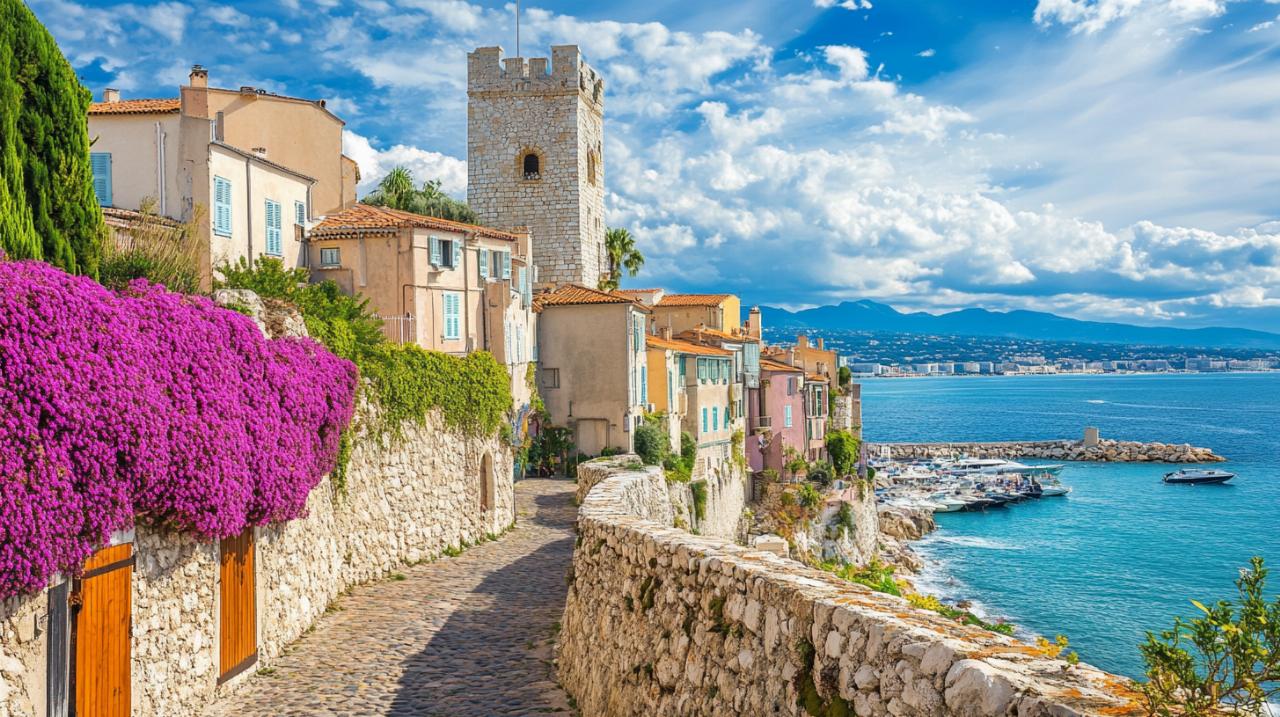
When contemplating a move to the sun-drenched French Riviera, understanding the financial landscape across different postcodes becomes essential. Antibes, a coastal gem nestled between Nice and Cannes, offers a fascinating study in how geographical boundaries and administrative divisions shape the cost of daily life. From the historic heart of the old town to the exclusive enclaves of Cap d'Antibes, each neighbourhood and surrounding commune presents its own unique set of expenses, influenced by everything from property values to local amenities. This article explores the budgeting realities for residents across the various postal zones that make up this vibrant corner of the Alpes-Maritimes department.
Understanding the Postal Geography of Antibes and Surrounding Communes
The town of Antibes operates within a carefully structured postal system that reflects both its administrative organisation and its diverse character. The postal codes across this region serve not merely as routing tools for mail but as indicators of distinct communities, each with their own identity and economic profile. Understanding how these codes are distributed helps residents and newcomers alike navigate the practical realities of living in this part of Provence-Alpes-Côte d'Azur.
Decoding the Postal Codes Across Antibes, Juan-les-Pins, and Cap d'Antibes
Antibes itself encompasses several distinct postal zones, each corresponding to recognisable neighbourhoods that locals know well. The main town centre typically falls under one primary code, whilst Juan-les-Pins, the lively seaside resort area known for its beaches and nightlife, operates under its own designation. Meanwhile, Cap d'Antibes, that exclusive peninsula jutting into the Mediterranean, maintains a separate postal identity that reflects its status as one of the most prestigious addresses on the entire French Riviera. These divisions are not arbitrary; they correspond to genuine differences in population density, infrastructure, and the character of daily life. Residents of the old town, known as Vieil Antibes, experience a very different environment from those living in the quieter residential streets near Saint-Maymes-Lauvert or the modern developments closer to Sophia Antipolis, Europe's largest technology park. Each postal zone effectively acts as a shorthand for a particular lifestyle and cost structure, making it crucial to understand these distinctions when planning a household budget.
How the Alpes-Maritimes Department Structures its Postal System from Nice to Villeneuve-Loubet
The broader Alpes-Maritimes department, of which Antibes forms a significant part, organises its postal codes in a logical progression that reflects both geography and administrative boundaries. Moving along the coast from Nice, through Antibes, and towards neighbouring communes such as Villeneuve-Loubet, Vallauris, and Biot, the postal system maintains coherence whilst acknowledging the autonomy of each town. This regional structure ensures that services from the town hall to primary schools can be efficiently coordinated, even as each commune maintains its own character. The department's approach to postal organisation also facilitates regional planning initiatives, particularly around transport links and community services that span multiple towns. Understanding this broader context helps residents appreciate how their local expenses fit into a wider regional framework, where decisions made at the departmental level can influence everything from transport costs to the availability of kindergarten places and the quality of infrastructure investment across the agglomeration.
Cost of Living Variations Between Antibes Centre, Juan-les-Pins, and Neighbouring Towns
The cost of living in Antibes varies considerably depending on which neighbourhood or commune one calls home. Property prices serve as the most visible marker of these differences, but they ripple outward into every aspect of daily expenditure, from council tax to school fees and even the cost of routine services. Recognising these variations allows residents to make informed decisions about where to settle and how to allocate their household budgets most effectively.
Comparing Property Prices and Council Tax from the Town Hall District to Sophia Antipolis
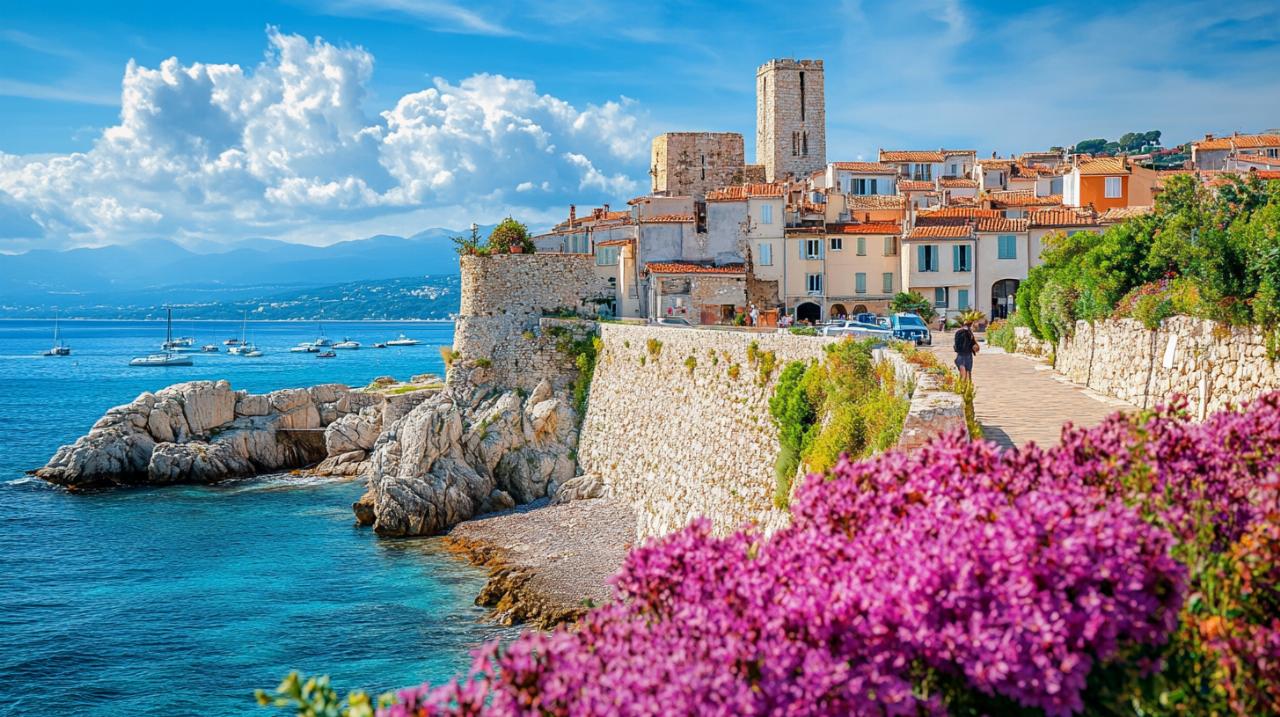
Property values in Antibes rival those found in Paris, with average prices reaching around six thousand euros per square metre in recent years. However, this figure masks dramatic variations between neighbourhoods. In the historic Vieil Antibes, properties command approximately seven thousand euros per square metre, reflecting the desirability of living within walking distance of the town hall, local markets, and the vibrant cultural scene. By contrast, areas such as Pont du Lys and L'Estagnol, whilst still within the Antibes agglomeration, offer more accessible entry points at closer to five thousand seven hundred euros per square metre. The most striking disparity emerges in Cap d'Antibes, where luxury properties regularly exceed eleven thousand euros per square metre, and individual villas can reach fifteen thousand euros or more. These eye-watering figures reflect not just the sea views and exclusive addresses but also the ongoing demand from international buyers seeking second homes or retirement properties on the French Riviera. Meanwhile, Juan-les-Pins maintains a middle ground at around six thousand five hundred euros per square metre, appealing to those who value proximity to beaches and nightlife without the price tag of Cap d'Antibes. Council tax, calculated based on property values and local rates set by the town hall, naturally follows these patterns, meaning that residents in more expensive postcodes face higher annual bills. Those considering a move to Sophia Antipolis, the technology park straddling multiple communes including Antibes, Biot, and Vallauris, will find property prices influenced by proximity to employment centres, with modern apartments near the park commanding premiums for their convenience and transport links.
School Fees, Primary Education, and Kindergarten Costs Across Vallauris, Biot, and the Agglomeration
Education costs form another significant component of family budgets across the Antibes region. Whilst France's public primary schools and kindergartens are generally free at the point of use, parents nonetheless encounter various associated expenses that vary by commune. School meals, after-school care, and extracurricular activities all carry fees that differ depending on local policies set by each town hall. In Vallauris, a neighbouring commune with a rich pottery-making heritage, families often find that these ancillary costs remain moderate compared to the more affluent areas of Antibes proper. Biot, another nearby town known for its glassblowing tradition, offers a similar profile, with community services priced to reflect the town's more modest population and income levels. Within the Antibes agglomeration itself, families living in neighbourhoods such as La Fontonne appreciate the concentration of schools and parks, which can reduce transport costs even if property prices are higher. Parents considering private education face a different calculation entirely, as international schools and private institutions in the region charge tuition fees that can run into thousands of pounds per year. These schools, often located in areas accessible from multiple communes, draw families from across the Alpes-Maritimes department, including those living as far afield as Nice. The choice between public and private education thus becomes a major budgeting decision, particularly for families with multiple children, and can influence decisions about which postcode offers the best balance of educational quality, convenience, and overall affordability.
Regional Influences on Resident Expenses Throughout the Provence-Alpes-Côte d'Azur Region
Living in Antibes means being part of the broader Provence-Alpes-Côte d'Azur region, where economic trends, population movements, and infrastructure investments all exert influence on local budgets. Understanding these regional dynamics provides important context for the specific costs faced by residents in different postal zones.
How Population Density Affects Living Costs from Saint-Jean Mount to the Pins Area
Population density varies markedly across the Antibes area, from the bustling town centre to the more spacious residential districts near Saint-Jean Mount and the Pins area. The town experiences a dramatic seasonal influx, with the population swelling during the summer months as approximately five million tourists descend on the French Riviera each year. This seasonal variation affects everything from the cost of dining out to the availability of short-term rental properties and the pressure on local services. In densely populated areas near the centre, residents benefit from excellent access to shops, restaurants, and public transport, but they also face higher property prices and living costs. By contrast, neighbourhoods on the periphery, including those near Saint-Maymes-Lauvert or the Trois Moulins district, offer more space and quieter environments, often at a lower per-square-metre cost. However, residents in these areas may find themselves more reliant on private vehicles, adding transport expenses to their budgets. The relationship between density and cost is not straightforward; some lower-density areas, particularly those near the coast or with exceptional views, command premium prices despite their relative isolation. Understanding where one's prospective postcode sits on this spectrum is essential for accurately forecasting household expenses, as the trade-offs between space, convenience, and cost vary considerably across the region.
Transport Links, Community Services, and Infrastructure Investment Across Postal Zones including Massena and Leonetti Districts
Transport infrastructure plays a crucial role in shaping living costs across the Antibes region. The town's central train station provides excellent connections to Nice, Cannes, and destinations throughout France and beyond, making it a practical choice for commuters. Residents in neighbourhoods with easy access to the station, such as those near the Massena or Leonetti districts, enjoy the convenience of public transport without the need for a car, potentially saving thousands of pounds annually on vehicle ownership and fuel. However, these areas also tend to experience higher property prices due to their strategic location. The proximity of Nice Côte d'Azur Airport, just twenty minutes by car or approximately forty minutes by bus, adds another layer of convenience for frequent travellers, though this accessibility is reflected in property valuations. Community services, ranging from libraries and sports facilities to health centres, are distributed unevenly across the various postal zones. The town hall and regional authorities prioritise infrastructure investment based on population needs and strategic planning goals, meaning that some areas benefit from newer facilities whilst others rely on older stock. Neighbourhoods near Sophia Antipolis, for instance, have seen significant investment in modern infrastructure to support the technology sector and attract skilled workers, whilst more traditional residential areas may offer a different profile of amenities. These variations in infrastructure quality and accessibility translate directly into differences in daily living costs, as residents weigh the value of convenience against the premium it commands. Understanding how transport links, community services, and ongoing infrastructure projects shape the cost landscape is essential for anyone budgeting to live in this dynamic corner of the Provence-Alpes-Côte d'Azur region, where each postcode tells its own story of opportunity and expense.