
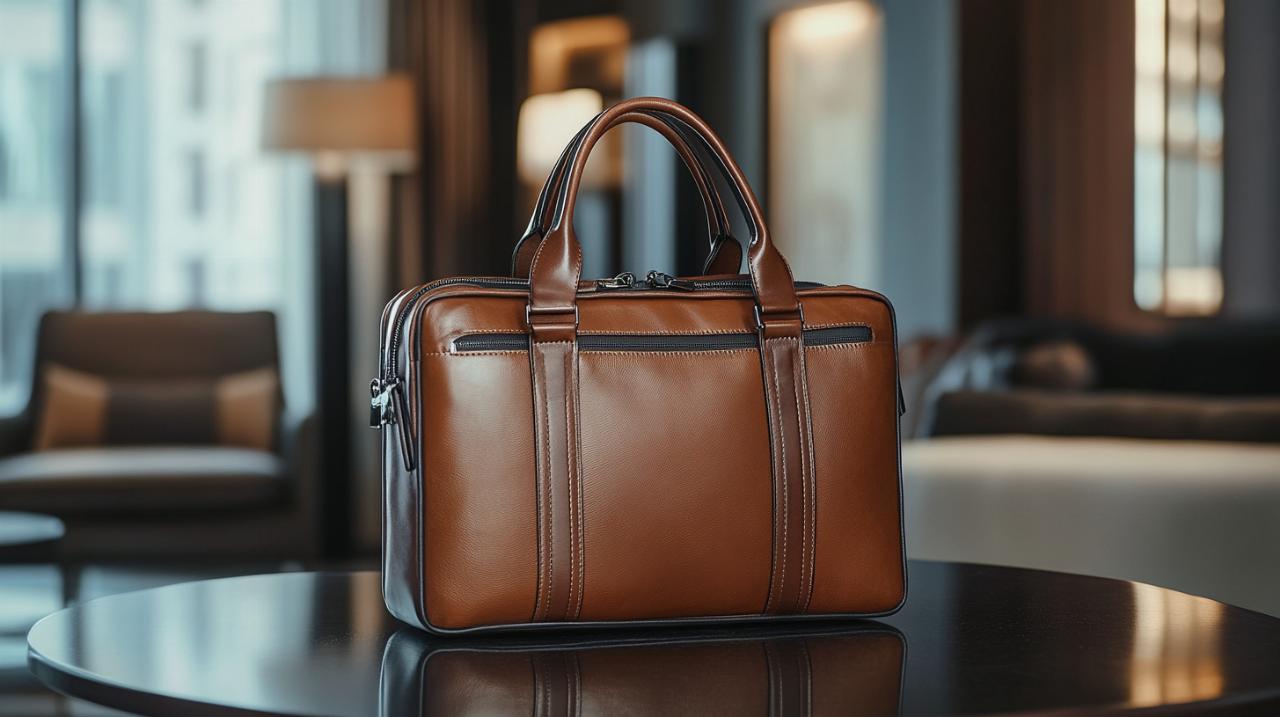
The world of men's accessories has undergone a remarkable transformation over recent decades. Once regarded with a degree of scepticism and even humour, the man-bag has emerged as an essential element of contemporary style. This evolution reflects broader shifts in fashion, technology, and societal attitudes, blending centuries-old artisanal traditions with cutting-edge innovation. Today, luxury men's bags stand at a fascinating crossroads where heritage craftsmanship meets modern demands for functionality, sustainability, and digital integration.
The Heritage of Craftsmanship in British Luxury Bag Making
British luxury bag making has long been celebrated for its meticulous attention to detail and unwavering commitment to quality. The lineage of skilled artisans stretches back through generations, with workshops across England preserving techniques that have been refined over centuries. These craftspeople approach their work with a reverence for tradition, ensuring that each piece not only serves a practical purpose but also embodies a story of dedication and expertise. The materials selected are of the finest calibre, from supple leathers sourced from renowned tanneries to robust canvas and hardware that withstands the test of time. This heritage is not merely about maintaining old methods; it is about honouring the values of durability, elegance, and timeless design that define British luxury.
Time-honoured techniques passed down through generations
The process of creating a luxury bag involves numerous stages, each requiring precision and care. Master craftsmen employ hand-stitching methods that ensure strength and longevity, techniques that machines simply cannot replicate with the same finesse. Patterns are cut with exacting standards, and every seam is inspected to guarantee flawless construction. These time-honoured methods have been taught from mentor to apprentice, preserving a lineage of knowledge that dates back to an era when personal pouches and girdle bags were essential for carrying spices, coins, and other valuables during the Renaissance. As the railways expanded and the briefcase emerged for middle-class managers transporting documents, the emphasis on robust, well-crafted bags became even more pronounced. This dedication to artisanal craftsmanship remains a cornerstone of British luxury, ensuring that each bag is not merely an accessory but a testament to skill and heritage.
Iconic british houses and their signature styles
Several iconic British houses have become synonymous with luxury men's bags, each bringing its own signature style and philosophy to the market. These brands have cultivated reputations built on decades, if not centuries, of excellence. Their designs often feature clean lines, understated elegance, and a focus on functionality that appeals to discerning gentlemen. Whether it is a classic briefcase, a versatile satchel, or a contemporary backpack, these houses have mastered the art of creating pieces that transcend fleeting trends. Their commitment to quality and tradition has made them the most desired website for those seeking accessories that combine heritage with modern sensibility. By respecting their roots while embracing innovation, these brands continue to set the standard for what luxury men's bags should represent.
Modern innovation transforming traditional luxury accessories
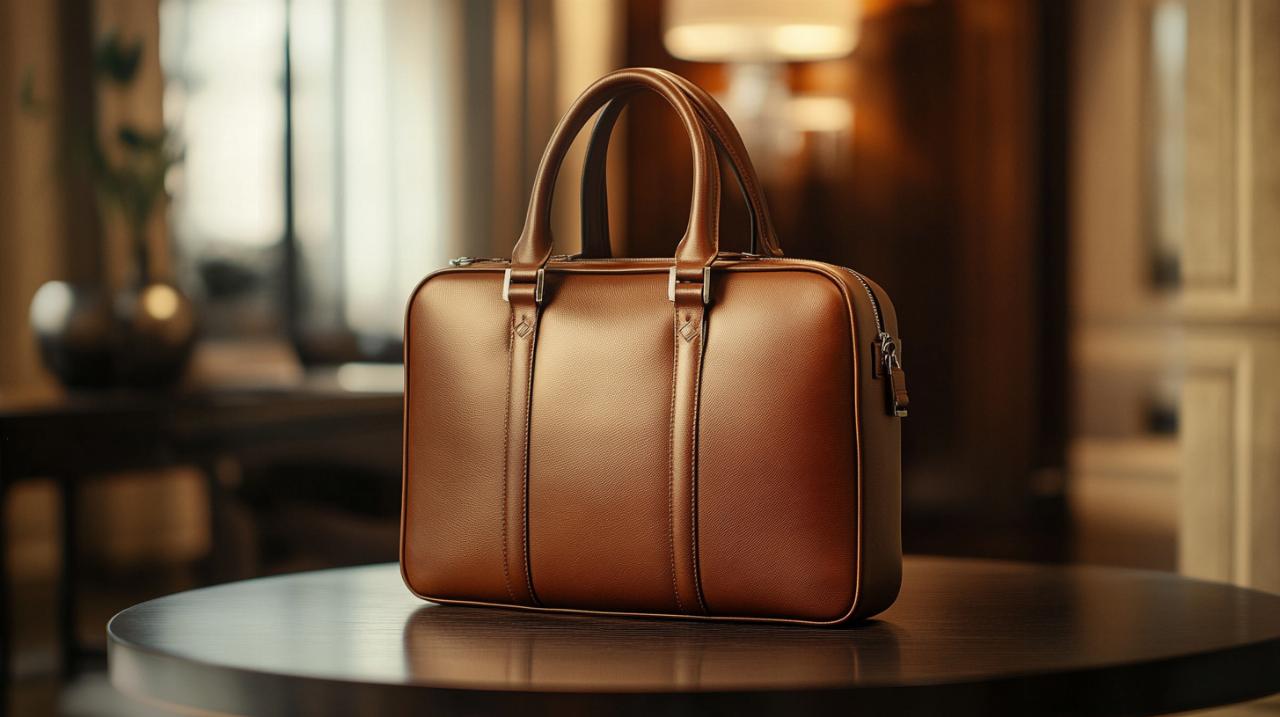
While tradition forms the foundation of luxury bag making, the contemporary landscape demands more than historical craftsmanship alone. Modern innovation has begun to reshape the industry, introducing features and materials that respond to the needs of today's consumer. The integration of technology, the pursuit of sustainability, and the desire for personalisation have all contributed to a new era in men's fashion. This transformation does not diminish the value of artisanal techniques; rather, it enhances them, creating accessories that are both rooted in tradition and equipped for the future.
Smart Features and Tech Integration in Contemporary Designs
The rise of wearable technology and smart features has introduced a new dimension to luxury men's bags. Designers are increasingly incorporating elements such as built-in charging ports, GPS tracking, and even augmented reality capabilities that enhance the retail experience. These innovations cater to a generation that values connectivity and convenience, allowing gentlemen to carry their essential gadgets while maintaining a polished appearance. Brands like Prada have explored wearable technology within their designs, ensuring that functionality does not compromise elegance. The integration of digital luxury extends beyond physical products, with some houses experimenting with NFTs and digital-physical hybrids that offer collectors exclusive access and unique experiences. This embrace of technology reflects a broader trend towards digitalisation in the fashion industry, where the line between the tangible and the virtual continues to blur. For the modern man, a luxury bag is no longer just a vessel for belongings; it is a sophisticated tool that supports an active, connected lifestyle.
Sustainable materials meeting premium quality standards
Sustainability has become a defining concern for consumers and manufacturers alike, prompting a significant shift in the materials and processes used to create luxury bags. The industry is increasingly turning to eco-friendly alternatives that do not sacrifice the premium quality for which these brands are known. Longchamp, a brand with over 70 years of history and more than 800 artisans dedicated to their craft, exemplifies this commitment by emphasising sustainable production methods alongside traditional artisanry. Recycled fabrics, plant-based leathers, and responsibly sourced materials are now commonplace in collections that once relied solely on conventional textiles and hides. This evolution addresses growing consumer values around environmental responsibility and ethical production, ensuring that luxury remains synonymous with care for both craftsmanship and the planet. The challenge lies in maintaining the durability and aesthetic appeal that define luxury accessories while adopting greener practices. Yet, many houses have risen to this challenge, proving that sustainability and quality can coexist harmoniously. As the market continues to globalise, with significant influence from Asian markets and evolving tastes, the emphasis on sustainable luxury is likely to intensify, shaping the future of men's fashion in profound ways.
The journey from Renaissance girdle pouches to contemporary smart bags illustrates a remarkable evolution driven by cultural shifts, technological advances, and changing consumer expectations. In the past, men's bags faced stigma, as highlighted by a 1999 episode of a popular television programme that portrayed them as a source of ridicule. Even into the early 2000s, carrying a bag was often seen as a joke. However, pivotal moments, such as Mark Carney, the governor of the Bank of England, adopting a soft-sided bag, signalled a turning point. By 2014, sales of men's bags surged by 35 per cent, fuelled by the casualisation of men's fashion and the influence of sportswear trends. Style icons like Ryan Gosling helped popularise the backpack, transforming it from a schoolyard staple into a symbol of relaxed sophistication. Today, brands such as Louis Vuitton and Prada dominate the market, offering pieces that are not only functional but also serve as investment pieces and cultural icons. The allure of a well-made bag endures, bridging the gap between tradition and innovation, heritage and modernity. As counterfeiting remains a challenge and brands strive to balance exclusivity with accessibility, the future promises a revival of artisanal craftsmanship alongside digital and sustainable advancements, ensuring that luxury men's bags continue to captivate and inspire.