
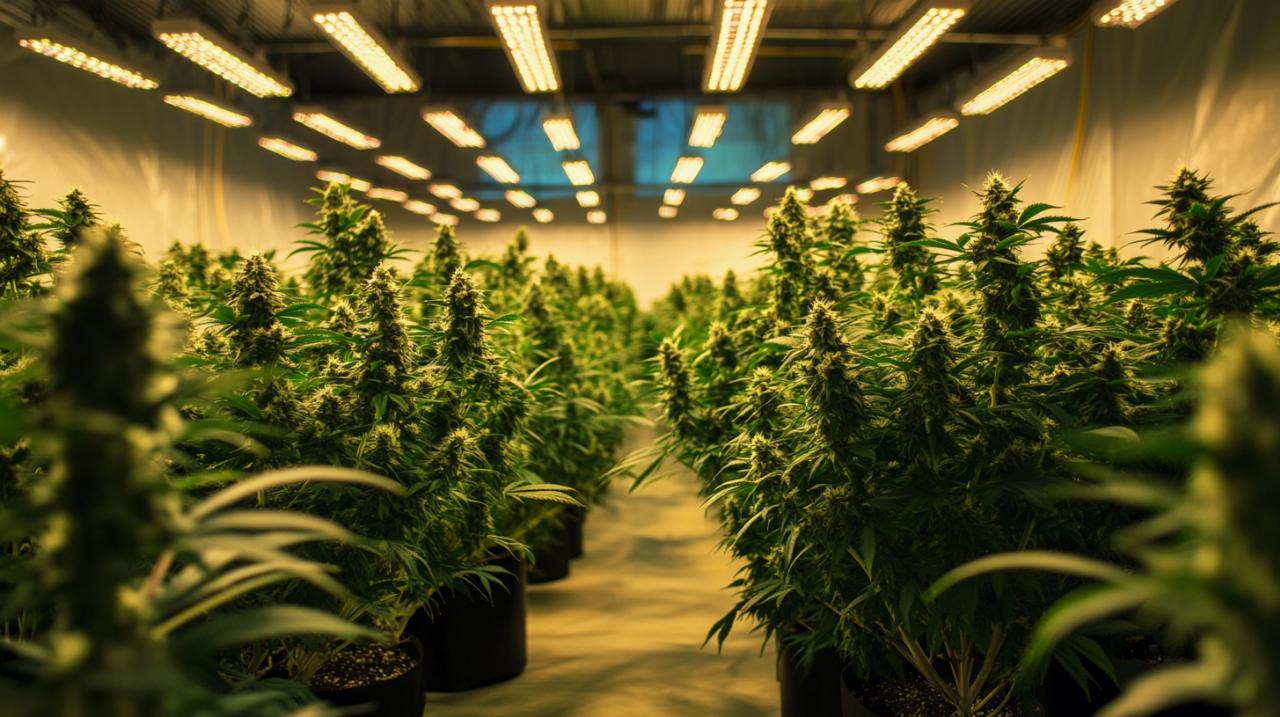
Growing autoflowering cannabis has become increasingly popular amongst growers seeking quick turnarounds and manageable cultivation projects. These varieties offer the distinct advantage of transitioning from seed to harvest in a remarkably short timeframe, often within two to three months, without requiring the precise light schedules that photoperiod strains demand. However, maximising yields from these compact plants requires a thoughtful approach that considers every stage of their life cycle. By applying targeted techniques from the moment seeds are placed in their growing medium through to the final flush before harvest, cultivators can significantly enhance bud production and overall plant health.
Perfecting the Germination Process for Robust Seedling Development
Selecting quality feminized seeds for optimal starting conditions
The foundation of any successful cultivation begins with the choice of seeds. Opting for feminized autoflower seeds from reputable breeders ensures that growers avoid the disappointment of male plants, which do not produce the desired buds. Established seed companies with decades of experience and proven track records offer genetics that have been refined to deliver consistent results. When selecting varieties, it is worth considering strains known for their robust growth and high yields, as these characteristics are often bred into the plants over many generations. Quality seeds not only germinate reliably but also exhibit the vigour needed to thrive throughout their short life cycle, setting the stage for a productive harvest.
Creating the Ideal Environment for Successful Sprouting
Once quality seeds are secured, the germination phase demands careful attention to environmental conditions. Starting seeds indoors provides greater control over temperature and humidity, both of which are critical during the delicate early days of a plant's life. A stable environment encourages healthy root development, which is essential for supporting the rapid growth that follows. Many experienced growers prefer to germinate seeds directly in their final containers to minimise transplant shock, which can stunt growth and reduce overall yields. Using an airy growing medium enriched with amendments such as mycorrhizal fungi can further promote strong root systems, giving young plants the best possible start. This approach ensures that the delicate seedling phase proceeds smoothly, paving the way for vigorous vegetative growth.
Optimising light schedules throughout the entire life cycle
Understanding auto varieties' unique requirements for indoor cultivation
Unlike photoperiod strains, autoflowering marijuana does not rely on changes in light duration to trigger the flowering phase. Instead, these plants begin producing buds based on their age, typically around three to five weeks after germination. This characteristic allows growers to maintain a consistent light schedule throughout the entire cycle, simplifying the cultivation process considerably. For indoor growers, an eighteen-hour light period followed by six hours of darkness is commonly recommended, though some cultivators extend this to twenty hours of light to maximise photosynthesis. The key is to provide sufficient illumination to fuel robust growth without overwhelming the plants. LED grow lights have become a favoured choice due to their energy efficiency and ability to deliver a full spectrum of light that supports both vegetative and flowering stages.
Balancing Intensity and Duration During Vegetative and Flowering Phases
While the duration of light remains relatively constant, adjusting intensity can help optimise plant performance as they transition through different growth stages. During the vegetative phase, plants benefit from strong, consistent light that promotes healthy foliage and stem development. As flowering commences, maintaining or even increasing light intensity can encourage the formation of dense, resinous buds. However, it is important to monitor plants closely for signs of light stress, such as bleaching or leaf curling, which indicate that the intensity may be too high. By fine-tuning the light environment to match the needs of each stage, growers can ensure that their plants receive the energy required for maximum bud production without compromising overall health.
Implementing low stress training methods for maximum bud production
Gentle techniques to increase light penetration without stunting growth
Training methods offer a practical way to shape cannabis plants and improve light distribution across the canopy, which is particularly beneficial for autoflowering varieties that have a limited window for growth. Low Stress Training, commonly known as LST, involves gently bending and tying down branches to create a more horizontal plant structure. This technique allows light to reach lower bud sites that would otherwise remain shaded, resulting in a more even distribution of energy and ultimately higher yields. Unlike more aggressive methods, LST minimises the risk of stunting, making it well-suited to the rapid life cycle of auto varieties. The tie-down method is straightforward and can be performed with simple materials such as soft plant ties or garden twine. By gradually adjusting the shape of the plant over several days, growers can achieve a flat, wide canopy that maximises light exposure without causing undue stress.
Timing Your Training During the Vegetative Phase for Best Results
The timing of training interventions is crucial when working with autoflowering plants. Because these varieties begin flowering so quickly, there is only a narrow window during the vegetative phase to implement training techniques. Ideally, LST should begin once the plant has developed several nodes and is growing vigorously, typically within the first two to three weeks after germination. Starting too late may result in minimal benefits, as the plant will soon shift its energy towards bud production. It is also important to ensure that only healthy, fast-growing plants are trained, as those that are stunted or showing signs of stress are unlikely to recover in time to produce significant yields. By carefully observing plant development and acting promptly, cultivators can harness the full potential of training methods to enhance their final harvest.
Tailoring nutrient regimens to support each growth stage

Feeding Strategies for the Vegetative Cycle Versus Flowering Period
Nutrient management plays a pivotal role in determining the success of any cannabis cultivation project. Autoflowering plants are generally more sensitive to nutrients compared to their photoperiod counterparts, and overfeeding can lead to nutrient burn, which stunts growth and reduces yields. During the vegetative phase, plants require a balanced mix of nitrogen, phosphorus, and potassium, with a slight emphasis on nitrogen to support leafy growth. As the plant transitions into the flowering stage, the nutrient profile should shift to favour phosphorus and potassium, which are essential for bud development. Using boosters and additives designed to enhance flowering can also be beneficial, provided they are applied at the appropriate concentrations. Many growers find that starting with half the recommended dose and gradually increasing it based on plant response is a prudent approach, particularly when cultivating auto varieties for the first time.
Recognising deficiencies and adjusting your feeding schedule
Monitoring plants closely for signs of nutrient deficiencies or imbalances is essential throughout the life cycle. Yellowing leaves, slow growth, or discoloured foliage can indicate that adjustments are needed. However, it is important to distinguish between nutrient issues and other factors such as pH imbalances or watering problems, as misdiagnosis can lead to further complications. Maintaining the pH of the growing medium within the optimal range is critical for nutrient uptake, with soil growers targeting a range between six and seven, while those using coco or hydroponics aim slightly lower, between five and a half and six and a half. Regular testing and adjustment of pH levels ensure that plants can access the nutrients provided, preventing deficiencies and promoting healthy development. Keeping a detailed grow journal to document feeding schedules, plant responses, and any issues encountered can help refine future cultivation efforts and achieve more consistent results.
Maintaining Ideal Growing Conditions from Pot to Harvest
Temperature, Humidity, and Airflow Considerations for Thriving Plants
The environment in which cannabis plants are cultivated has a profound impact on their growth and final yields. Temperature and humidity levels must be carefully managed to create conditions that support healthy development at each stage. During the vegetative phase, temperatures between eighteen and twenty-five degrees Celsius are ideal, with humidity levels kept relatively high, around sixty to seventy percent, to encourage vigorous growth. As plants enter the flowering phase, reducing humidity to between forty and fifty percent helps prevent mould and mildew, which can devastate crops. Adequate airflow is equally important, as it strengthens stems, promotes transpiration, and reduces the risk of pest infestations. Using fans to circulate air throughout the grow space ensures that all plants benefit from consistent conditions, while exhaust systems help regulate temperature and remove excess moisture.
Creating a Stable Indoor Environment for Consistent Yields
Achieving stability in the growing environment requires attention to detail and, in many cases, investment in climate control equipment. Thermostats, humidifiers, and dehumidifiers can be used to maintain precise conditions, particularly in climates where outdoor weather is unpredictable. For indoor growers, the choice of pot also influences environmental management. Fabric pots are increasingly popular due to their superior drainage and air circulation, which promote healthier root systems and reduce the risk of overwatering. Starting plants in their final containers, typically ranging from twelve to twenty litres, eliminates the need for transplanting and allows roots to develop undisturbed. This approach, combined with a well-aerated growing medium that includes amendments like perlite, creates the ideal conditions for autoflowering cannabis to thrive from germination through to harvest.
Timing Your Harvest Correctly to Maximise Potency and Yields
Identifying peak maturity in autoflowering marijuana varieties
Determining the right moment to harvest is one of the most critical decisions a grower will make, as cutting too early or too late can significantly impact both yield and potency. Autoflowering varieties typically reach maturity within eight to twelve weeks from germination, but visual cues provide a more reliable guide than calendar dates. Observing the colour of the trichomes, the tiny resinous glands that cover the buds, is the most accurate method for assessing readiness. When most trichomes have turned from clear to a milky white colour, with a small percentage beginning to amber, the plant is at peak potency. Harvesting at this stage ensures that buds contain the maximum concentration of cannabinoids and terpenes, delivering the desired effects and flavours. Using a magnifying glass or jeweller's loupe makes it easier to examine trichomes closely and make an informed decision.
Proper flushing and final care before cutting your buds
In the final days before harvest, many growers choose to flush their plants by providing only plain water, allowing the growing medium to be rinsed of any residual nutrients. This practice is believed to improve the taste and smoothness of the final product by reducing the buildup of salts and chemicals in the plant tissue. The flushing period typically lasts one to two weeks, depending on the growing method and the type of nutrients used. During this time, it is important to continue monitoring environmental conditions and ensuring that plants remain healthy and hydrated. Once the decision to harvest is made, carefully cutting the main stem and removing the plant from its pot marks the culmination of weeks of effort and attention. Proper drying and curing will follow, but the care taken during the final days of the life cycle sets the stage for a high-quality, potent harvest that reflects the techniques applied from germination onwards.