
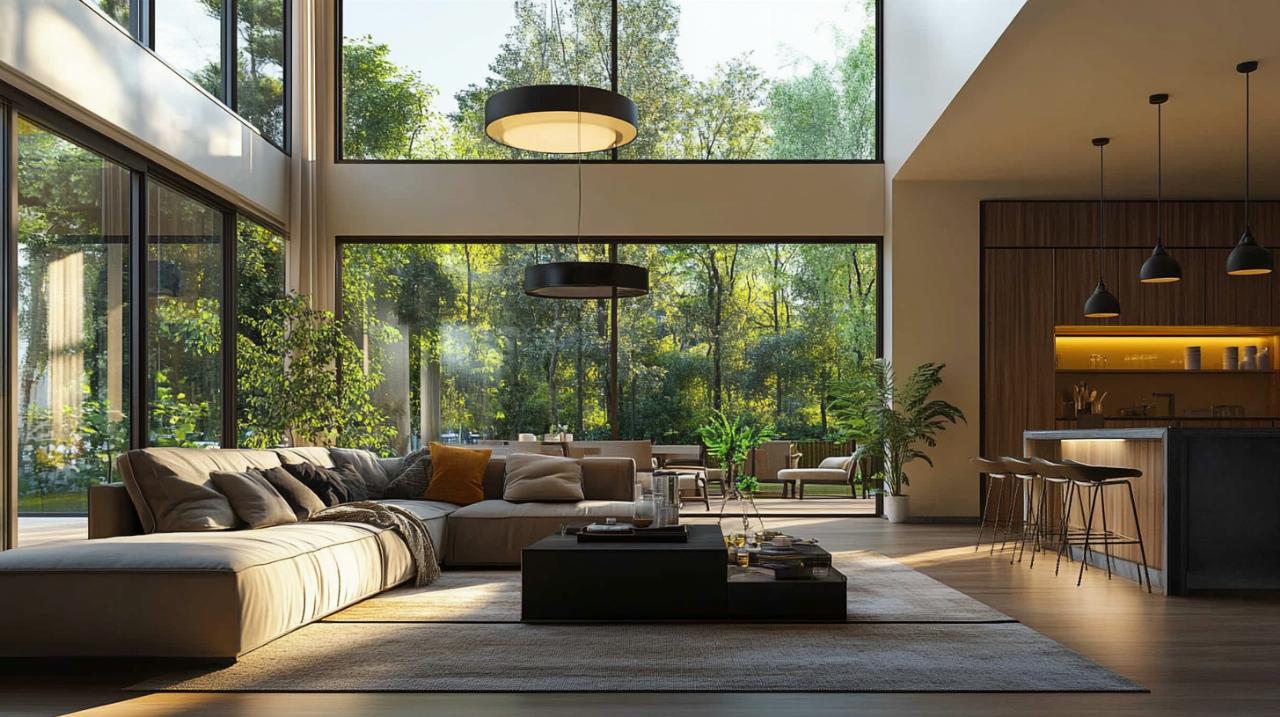
Modern living demands thoughtful consideration of how we inhabit our homes, prompting homeowners across the country to explore fresh methods of renovation that marry practicality with aesthetic appeal. As lifestyles evolve, so too must the spaces we occupy, adapting to accommodate changing needs for comfort, efficiency, and wellbeing. Contemporary home improvement is no longer solely about aesthetic upgrades or structural modifications; it encompasses a holistic approach that integrates technology, sustainability, and intelligent design to create environments that truly enhance daily life.
Smart technology integration for contemporary homes
Incorporating smart technology into residential spaces has transitioned from a luxury to an essential feature of modern living. Homeowners are increasingly seeking solutions that simplify daily routines while offering greater control over their domestic environment. The integration of intelligent systems provides not only convenience but also tangible benefits in terms of energy management and security. This shift towards connected homes reflects a broader cultural movement towards efficiency and responsiveness in how we interact with our surroundings.
Automated lighting and climate control systems
One of the most transformative advancements in home improvement involves automated lighting and climate control, which together create an environment tailored to individual preferences and routines. These systems learn from occupancy patterns and adjust settings accordingly, ensuring that rooms are comfortably lit and heated or cooled without unnecessary energy expenditure. Resources such as those found on villaauristela.es demonstrate how modern technology can elevate everyday living through intuitive automation that responds to the rhythms of household life. By installing sensors and programmable controls, homeowners can enjoy seamless transitions between different times of day, with lighting schemes that shift from bright morning tones to softer evening hues, all while maintaining optimal thermal comfort.
Beyond mere convenience, automated climate systems contribute significantly to reducing carbon footprints by optimising heating and cooling cycles. This means that energy is directed precisely where and when it is needed, eliminating waste and lowering utility bills. The sophistication of contemporary climate control allows for zoning within the home, so individual rooms can be regulated independently, accommodating diverse activities and preferences throughout the household. Whether it is maintaining a cooler home office during working hours or ensuring a warm bedroom at night, these systems deliver personalised comfort with minimal manual intervention.
Voice-activated home management solutions
Voice-activated technology has revolutionised the way residents interact with their living spaces, offering hands-free control over a multitude of household functions. From adjusting lighting and temperature to managing entertainment systems and security features, voice commands streamline daily tasks and enhance accessibility for all family members. This technology integrates seamlessly with existing smart home infrastructure, creating a cohesive ecosystem that responds to spoken instructions with remarkable accuracy and speed.
The appeal of voice-activated solutions extends beyond convenience, offering practical benefits for individuals with mobility challenges or those juggling multiple responsibilities. By eliminating the need to physically interact with switches, thermostats, or remote controls, these systems foster a more inclusive and user-friendly domestic environment. Additionally, voice management platforms can be programmed to execute complex routines, such as morning wake-up sequences that gradually increase lighting, adjust room temperature, and deliver news briefings, all initiated by a simple spoken phrase. This level of integration represents a significant leap forward in how technology can support and enhance everyday living.
Sustainable materials and eco-friendly renovation approaches
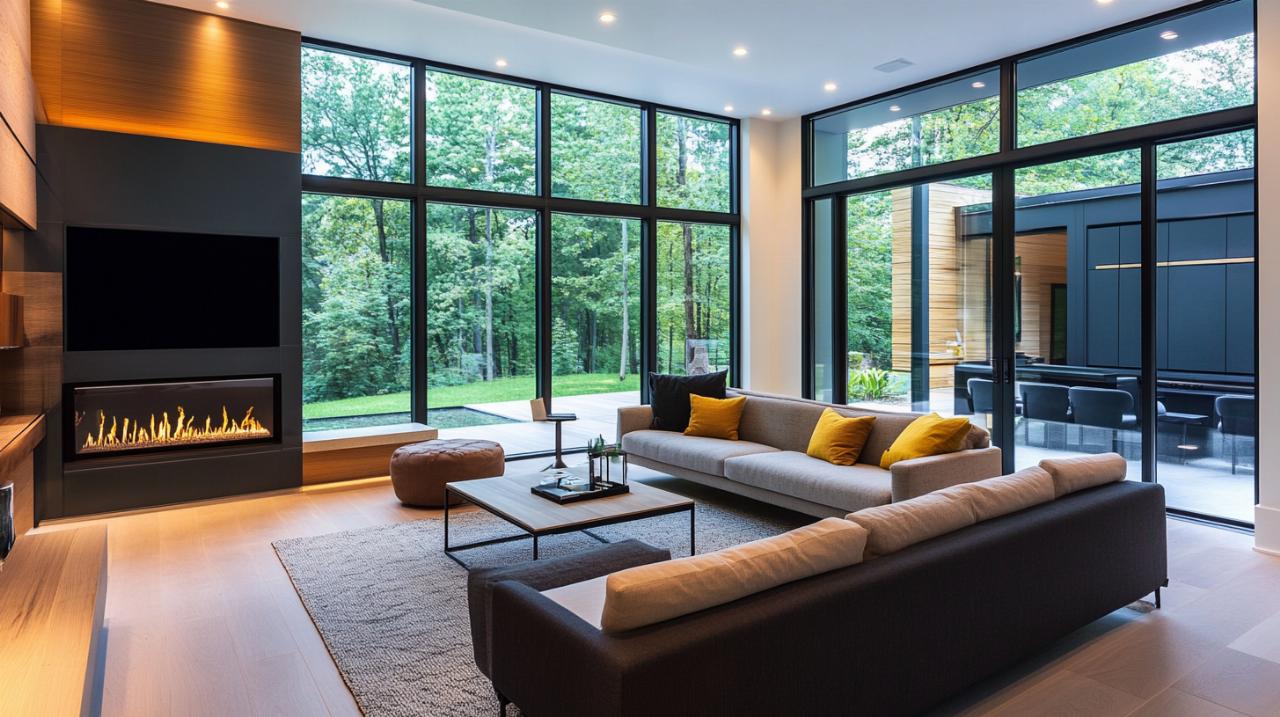
As environmental awareness grows, homeowners are increasingly prioritising sustainable materials and eco-friendly renovation methods that minimise ecological impact while enhancing the quality of their living spaces. This shift reflects a broader societal commitment to responsible consumption and stewardship of natural resources. By choosing materials and techniques that align with these values, individuals can create homes that are not only beautiful and functional but also contribute positively to the planet's wellbeing. Sustainable living has become a cornerstone of contemporary home improvement, influencing decisions from initial design through to final execution.
Reclaimed timber and recycled building components
Reclaimed timber and recycled building components offer a compelling alternative to conventional materials, bringing character and history into modern renovations while reducing demand for virgin resources. Salvaged wood from old barns, factories, or shipping pallets can be transformed into flooring, wall cladding, or bespoke furniture, each piece bearing unique marks and textures that tell a story. This approach not only diverts waste from landfills but also lends an authentic, lived-in quality to interiors that newly manufactured materials cannot replicate.
In addition to timber, a wide array of recycled components is now readily available for home improvement projects. Bricks, tiles, and metal fixtures reclaimed from deconstructed buildings can be repurposed to create distinctive architectural features that blend sustainability with style. By choosing these materials, homeowners make a tangible statement about their commitment to environmental responsibility while enjoying the aesthetic and functional benefits of high-quality, durable elements. The use of reclaimed and recycled materials also supports local economies and craftspeople who specialise in sourcing and preparing these components for modern applications.
Energy-efficient insulation and green flooring options
Improving insulation is one of the most effective ways to enhance a home's energy efficiency, reducing heating and cooling costs while maintaining consistent indoor temperatures throughout the year. Modern insulation materials, including those made from recycled fibres and natural substances such as sheep's wool or hemp, provide excellent thermal performance without relying on synthetic chemicals. These green alternatives not only contribute to lower energy consumption but also improve indoor air quality by avoiding off-gassing and other pollutants associated with conventional insulation products.
Flooring choices also play a crucial role in sustainable home improvement, with options ranging from bamboo and cork to reclaimed hardwood and recycled rubber. Bamboo, for instance, grows rapidly and regenerates quickly, making it a highly renewable resource that offers durability and aesthetic appeal. Cork flooring provides natural cushioning and thermal insulation, while also being harvested from the bark of cork oak trees without causing harm to the living plant. By selecting flooring materials that prioritise environmental impact and longevity, homeowners can create beautiful, resilient surfaces that align with their values and contribute to a healthier home environment.
Integrating these sustainable materials into home renovation projects not only supports broader environmental goals but also enhances the overall quality and character of living spaces. The combination of reclaimed timber, recycled components, and energy-efficient insulation creates a home that is both mindful and modern, reflecting a commitment to responsible living that resonates with contemporary sensibilities.