
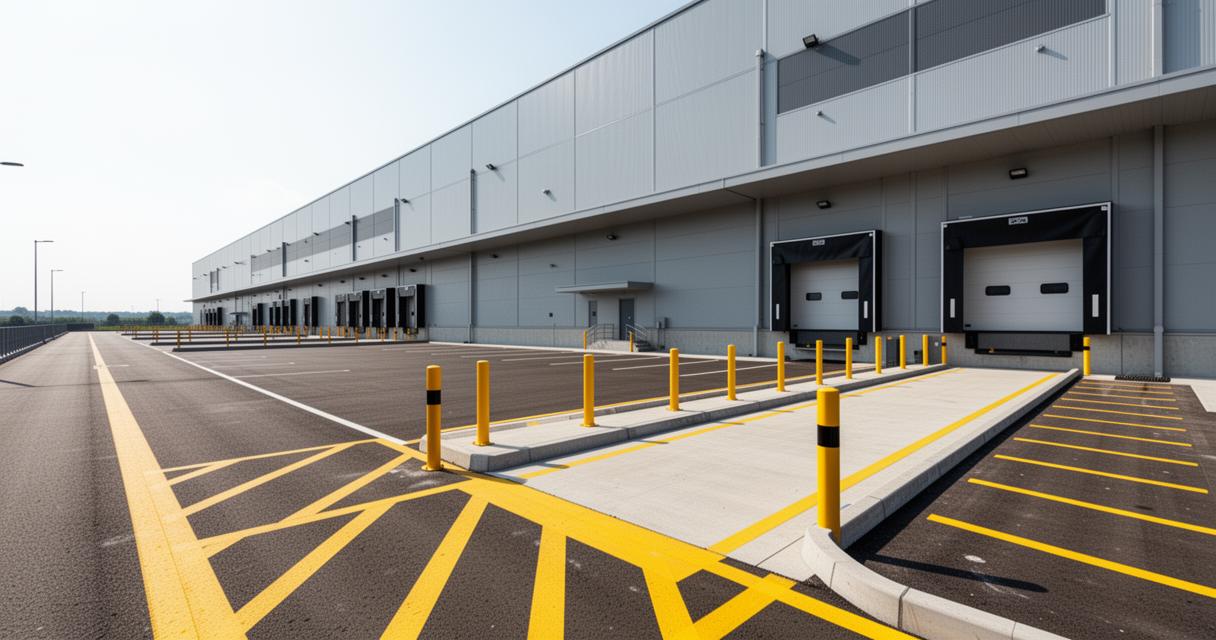
Sustainability has moved from a corporate buzzword to a genuine operational priority for organisations across the United Kingdom. Workplaces of every size are now looking at how their day-to-day choices — including the safety products they rely upon — contribute to a broader environmental footprint. Seton, a provider of innovative solutions for safety and signage, sits at the heart of this conversation, offering a range of products designed to support both regulatory compliance and responsible environmental practice.
Key takeaways
- Seton is helping organizations reduce their environmental footprint by offering safety products made from recyclable or responsibly sourced materials.
- The company emphasizes the importance of product durability, which reduces long-term waste by decreasing the frequency of replacements.
- Seton ensures that its eco-conscious product lines maintain rigorous safety and performance standards without compromising on quality.
- Choosing sustainable safety equipment allows businesses to meet their environmental, social, and governance goals without needing to overhaul existing safety protocols.
- Visible use of sustainable signage and equipment helps foster a positive workplace culture by demonstrating environmental awareness to employees.
- Investing in high-quality, long-lasting safety solutions is both an environmentally responsible and economically sound procurement strategy.
How seton’s innovative safety solutions support a greener workplace
Eco-Conscious Materials in Workplace Signage and Safety Equipment
The materials behind a safety sign or a piece of protective equipment matter far more than many businesses initially realise. Choosing products crafted from recyclable or responsibly sourced substrates can meaningfully reduce the volume of waste that ultimately ends up in landfill. Seton’s approach to workplace signage reflects a considered effort to balance the practical demands of health and safety legislation with a genuine commitment to reducing environmental harm. Whether it is a fire exit sign, a floor marking solution, or a piece of personal protective equipment, the underlying materials and manufacturing processes carry real ecological weight.
Beyond the raw materials themselves, packaging choices and product lifespans play an equally important role. A sign or barrier that lasts considerably longer than a cheaper alternative will, over time, generate far less waste and require fewer replacement orders. This principle sits at the core of a sustainable procurement strategy, encouraging organisations to think beyond upfront cost and consider the full lifecycle of every item they purchase.
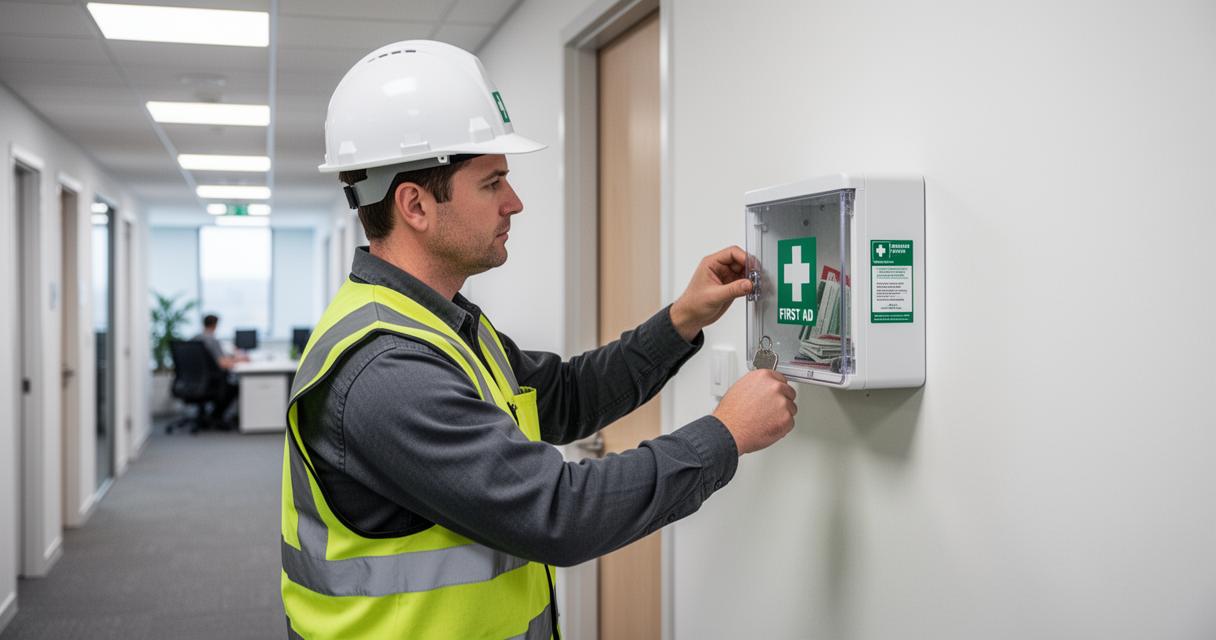
Reducing environmental impact without compromising on safety standards
One concern that sometimes arises when businesses explore greener purchasing options is whether environmental credentials come at the expense of performance. With safety products, this is a particularly sensitive question — a sign that fades prematurely or a barrier that fails under pressure can have serious consequences for workers. Seton addresses this tension directly by ensuring that its eco-conscious product lines continue to meet the rigorous standards expected of professional safety equipment. Durability and environmental responsibility are treated not as competing values but as complementary ones.
Building a sustainable future through responsible safety practices
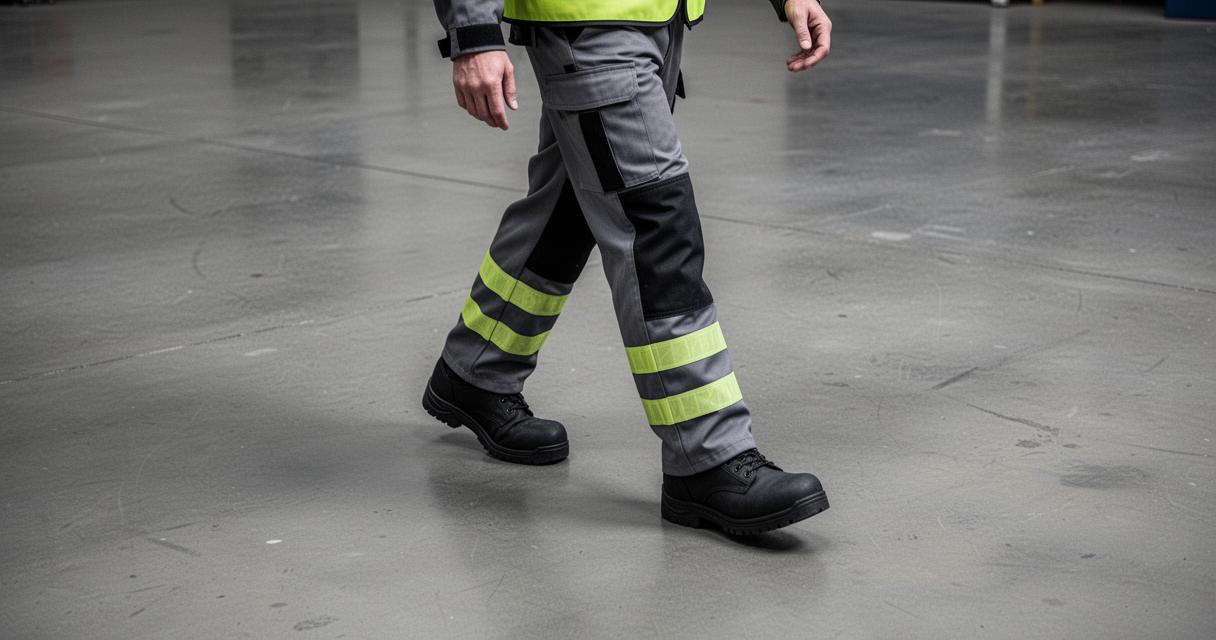
Choosing safety products that align with your organisation’s environmental goals
For organisations developing or refining an environmental policy, procurement decisions represent a tangible lever for change. Selecting safety signage and equipment from a supplier that prioritises sustainable manufacturing is one of the more straightforward steps a facilities manager or health and safety officer can take. It feeds directly into broader environmental, social and governance commitments without requiring a fundamental overhaul of existing safety protocols. The key is to look for products that combine longevity, compliance and responsible sourcing — qualities that Seton brings together across its catalogue.
It is also worth considering how a consistent approach to sustainable safety products can support staff engagement. Employees increasingly expect their employers to make choices that reflect environmental awareness, and visible cues — such as signage made from recycled materials or reusable safety barriers — can reinforce a workplace culture of responsibility.
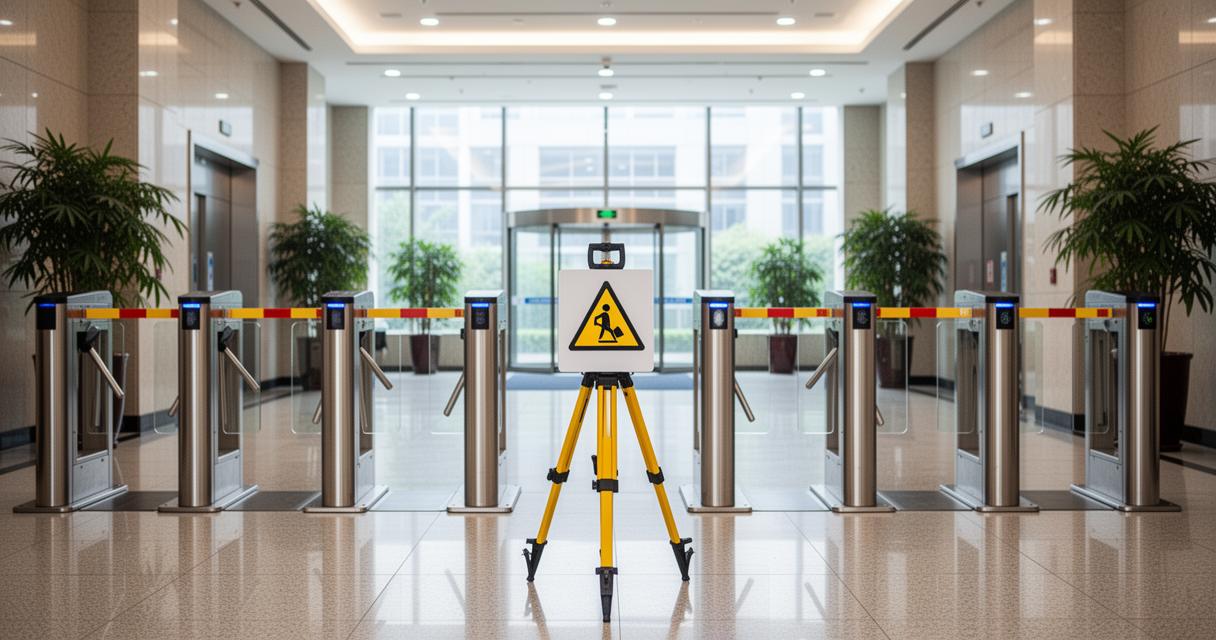
The Role of Durable, Long-Lasting Safety Signage in Cutting Workplace Waste
Waste reduction in a workplace context is often associated with paper consumption or energy usage, but safety signage represents a frequently overlooked source of avoidable waste. Signs that are poorly manufactured may need replacing after only a short period, generating unnecessary material consumption and additional expenditure. Investing in high-quality, durable alternatives is therefore both an environmental and an economic decision. Seton’s product range reflects this understanding, with items designed to withstand the demands of industrial and commercial environments over the long term, reducing the frequency of replacement and the associated waste stream. A thoughtful approach to safety procurement, guided by the principles of durability and sustainability, is one of the most practical contributions any organisation can make to a greener future.