
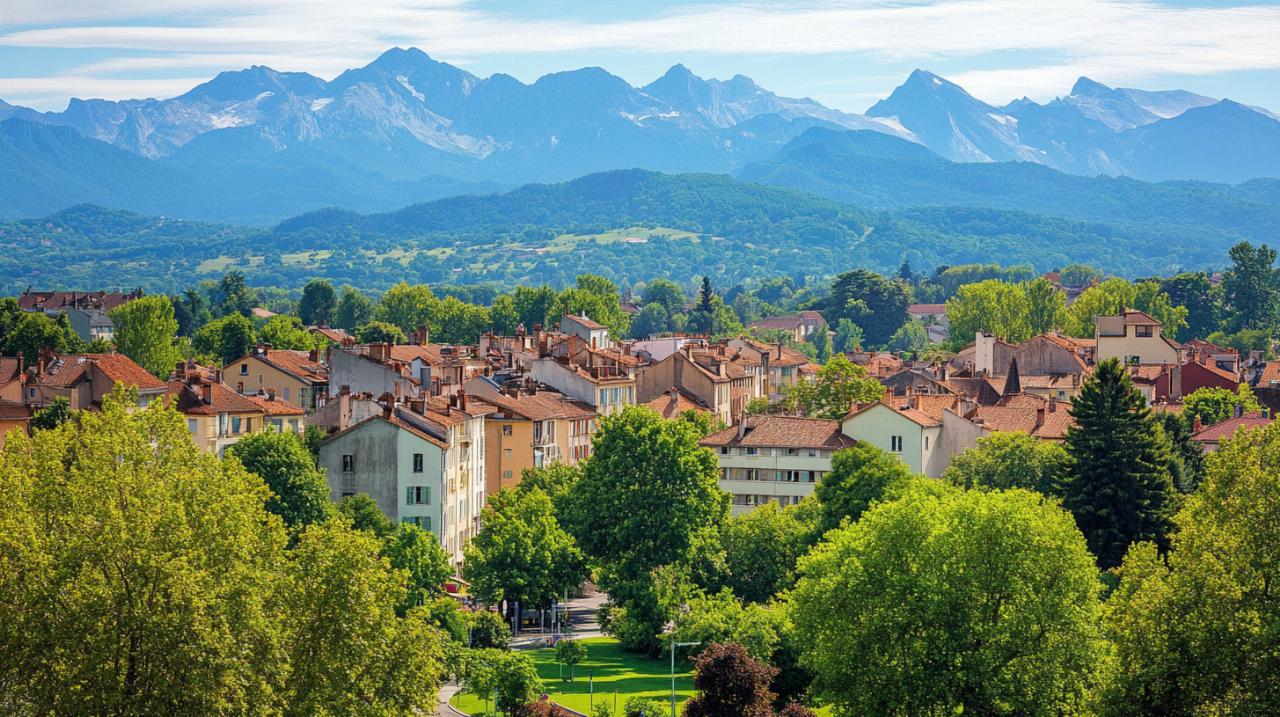
In the heart of the Hautes-Pyrénées, nestled between the commanding peaks of the mountains and the gentle flow of the Adour and Echez rivers, Tarbes stands as a testament to the enduring spirit of skilled craftsmanship. This vibrant city, long celebrated for its historical significance and cultural richness, offers a fascinating glimpse into a world where tradition is not merely preserved but actively woven into the fabric of daily life. From the bustling industrial estates to the quiet workshops of neighbouring communes such as Soues, Semeac, and Aureilhan, the artisans of Tarbes and its agglomeration continue to honour the trades that have shaped the identity of Bigorre for generations. Visitors who venture beyond the well-trodden paths of the Massey Gardens and Place de Verdun will discover a thriving community where master craftsmen ply their trades with an expertise passed down through the centuries.
The Heritage of Craftsmanship: Tarbes' Historic Trades and Workshops
The story of Tarbes is inseparably linked to its rich military heritage, with the presence of regiments such as the Hussars and Paratroopers leaving an indelible mark on the town's character. The local museum and the nearby Verdun commemorations stand as reminders of the sacrifices made by those who served, yet these institutions also highlight the contributions of artisans who supported military life through their trades. The city's historical ties to the Tarbais stud and its renowned horses underscore a long tradition of equine craftsmanship, where blacksmiths and harness makers worked tirelessly to equip both the cavalry and civilian riders. Over time, these skills evolved, finding new expression in the workshops and ateliers that dot the landscape today.
From Military Regiments to Master Craftsmen: The Legacy of the Hussars and Paratroopers
The influence of military regiments in Tarbes cannot be overstated, as the town's identity has been shaped by the presence of soldiers and the industries that arose to support them. The Hussars, known for their dashing uniforms and expert horsemanship, relied on local blacksmiths and leather workers to maintain their equipment. Similarly, the Paratroopers stationed in the area required skilled craftsmen to ensure their gear was both functional and reliable. These trades did not simply vanish with the passage of time; instead, they adapted and diversified. Many descendants of those early artisans now operate workshops in the industrial estates, such as the one near Kennedy, where traditional metalworking techniques are still employed alongside modern innovations. The spirit of precision and dedication that defined military craftsmanship continues to inspire contemporary artisans who take pride in their work.
The Chamber of Trades and Crafts: Preserving Traditional Skills in Modern Tarbes
Central to the preservation of artisan traditions in Tarbes is the Chamber of Trades and Crafts, an institution that serves as both a custodian of heritage and a beacon for those seeking to learn time-honoured skills. This body plays a crucial role in supporting local craftsmen, offering training programmes and certification that ensure the continuation of trades such as carpentry, masonry, and decorative arts. The Chamber also facilitates connections between seasoned masters and apprentices, fostering a community where knowledge is shared and refined. In a world increasingly dominated by mass production, the Chamber stands as a reminder that the value of handmade goods lies not only in their quality but also in the story of the hands that crafted them. This commitment to preserving traditional methods is evident in the workshops scattered throughout Tarbes and its surrounding communes, where artisans continue to produce work that reflects both regional identity and individual artistry.
Discovering local artisans: workshops across tarbes and neighbouring communes
A journey through Tarbes reveals a tapestry of workshops where master artisans dedicate themselves to their crafts with an intensity that belies the often modest scale of their operations. From the city centre, where historical landmarks such as the Town Hall and the Maison Foch stand as symbols of civic pride, to the quieter quarters near the Massey Gardens, skilled tradespeople ply their trades in settings that range from restored historic buildings to purpose-built ateliers. The self-guided tour of frescoes and fountains, which begins at the Tourist Office, offers a unique opportunity to witness the interplay between public art and private craftsmanship. The frescoes by local graffiti artist Snake and the trompe-l'oeil murals by Jean Réale and Joël Soulier on Rue Brauhauban are not merely decorative but serve as a testament to the collaborative spirit that animates the artisan community.
Master Artisans of the City Centre: From Massey Gardens to the Industrial Estates
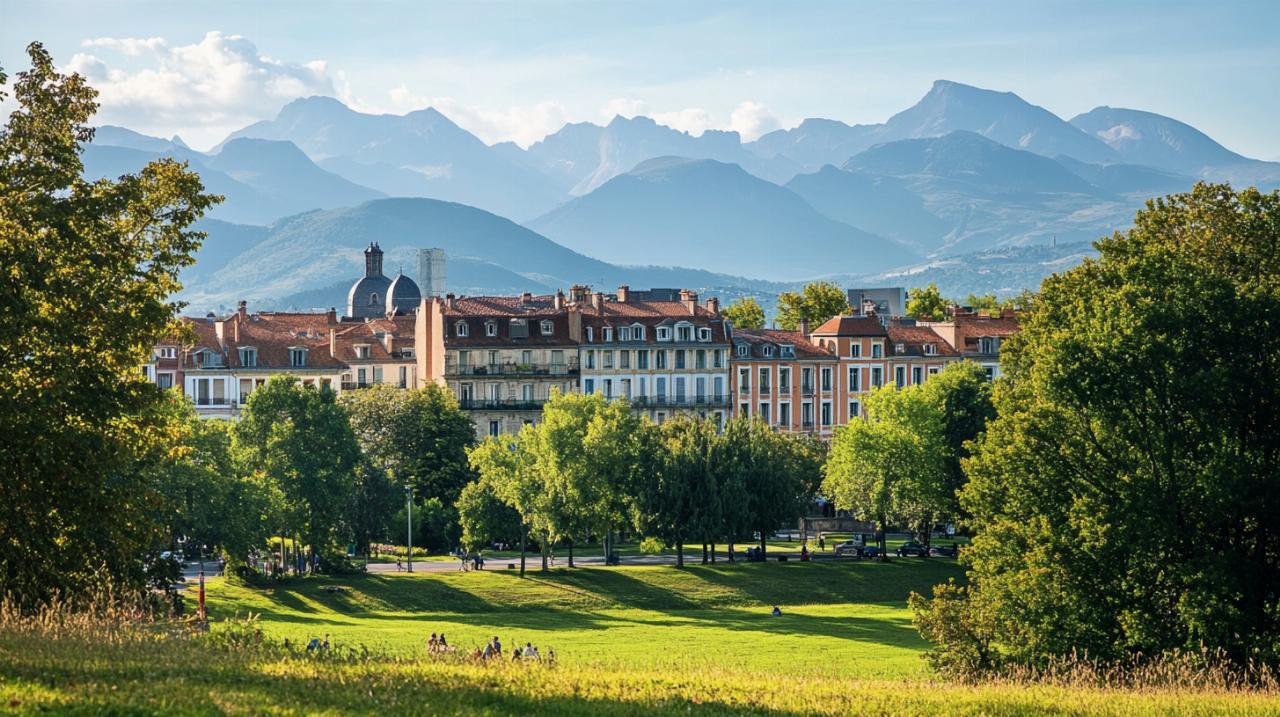
In the heart of Tarbes, the Massey Gardens provide a serene backdrop for visitors who wish to explore the nearby workshops where traditional trades thrive. The area around Place de Verdun and the Cours Reffye, with its bronze fountains and grey Pyrenees marble honouring Auguste Verchère de Reffye, serves as a gateway to a network of artisans whose skills reflect the industrial heritage of the region. Metalworkers and stonemasons operate in small studios, producing everything from bespoke ironwork to intricately carved marble pieces. The Fontaine des Droits de l'Enfant, with its interactive water jet and impressive granite and marble sphere, stands as a symbol of the ingenuity that characterises local craftsmanship. Meanwhile, the industrial estates near Kennedy are home to larger workshops where artisans collaborate on projects that demand both technical expertise and creative vision. These spaces, though modern in their facilities, retain a connection to the past through the methods employed and the dedication of those who work within them.
Craftsmanship in Soues, Semeac, and Aureilhan: The Wider Agglomeration's Skilled Trades
Beyond the boundaries of central Tarbes, the communes of Soues, Semeac, and Aureilhan host a vibrant community of artisans whose work contributes to the broader identity of the agglomeration. In Soues, woodworkers and basket makers continue traditions that have been passed down through generations, creating functional and decorative items that are highly prized by collectors and everyday users alike. Semeac is known for its ceramicists, who draw inspiration from the natural beauty of the Pyrenees and the flowing waters of the Adour and Echez rivers. Their pottery, often adorned with motifs that reflect the flora and fauna of the region, is sold at local markets and in galleries throughout the Occitanie. In Aureilhan, blacksmiths and metalworkers maintain workshops where the rhythmic clang of hammer on anvil echoes the industrious spirit of earlier eras. These artisans often participate in regional festivals, where their demonstrations attract crowds eager to witness the transformation of raw materials into finished works of art. The proximity of these communes to Lourdes and Bagneres ensures a steady stream of visitors who appreciate the value of handmade goods and are willing to invest in items that carry the mark of true craftsmanship.
Tarbes' Artisan Culture: Where Tradition Meets the Spirit of the Pyrenees
The artisan culture of Tarbes is deeply rooted in the regional identity of Bigorre, a land where the rugged beauty of the Pyrenees has long shaped the character of its inhabitants. The influence of the mountains is evident not only in the themes that recur in local art and craft but also in the materials used and the techniques employed. Stonemasons favour the Lourdes stone, known for its durability and distinctive appearance, while woodworkers draw on the abundant forests that blanket the lower slopes. The spirit of the Pyrenees, with its blend of resilience and creativity, permeates every aspect of artisan life in Tarbes, from the design of a fountain on Place Marcadieu to the intricate details of a trompe-l'oeil mural on a city centre building.
The Influence of Regional Identity: Bigorre's Artisan Traditions Along the Adour and Echez Rivers
The rivers that flow through the Tarbes agglomeration have historically served as both a source of inspiration and a practical resource for local artisans. The Adour and Echez provided the power necessary for mills and forges, enabling craftsmen to work metal and process raw materials with greater efficiency. Today, the legacy of these waterways is evident in the workshops that line their banks, where artisans continue to produce goods that reflect the heritage of Bigorre. The Fontaine des 4 Vallées, a towering monument on Place Marcadieu, celebrates the region's natural wealth and the creatures that inhabit its mountains, including the izard, bear, eagle, and wolf. This fountain, created by Desca, Escoula, and Mathet, stands as a symbol of the interconnectedness of nature and human endeavour. Similarly, the Source d'amour, crafted from Arudy stone and featuring a cast iron scene of a nymph and cupid, exemplifies the romantic and artistic sensibilities that have long characterised the region's craftsmen. These works, though created over a century ago, continue to inspire contemporary artisans who seek to honour their heritage while pushing the boundaries of their craft.
Celebrating Local Excellence: Festivals, Museums, and the Community's Dedication to Preserving Heritage
The dedication of the Tarbes community to preserving its artisan heritage is perhaps most visible during events such as the Tarbes en Tango festival, held every August, which attracts over twenty-five thousand visitors. While the festival is primarily a celebration of dance, it also provides a platform for local craftsmen to showcase their work, with stalls and demonstrations that highlight the diversity of skills present in the region. The Musée Massey and the Maison Foch, though closed on Tuesdays, offer permanent exhibitions that explore the history of craftsmanship in Tarbes, from the tools used by early blacksmiths to the decorative arts that adorned the homes of the town's elite. These institutions play a vital role in educating both residents and visitors about the importance of preserving traditional trades. Further afield, Les Forges de Pyrène, a living museum located in Ariège near Foix, provides an immersive experience where over forty-five old trades are displayed across five hectares of land with a river running through it. Craftsmen give demonstrations from ten in the morning, showcasing the work of blacksmiths, clog makers, and basket makers, among others. A Martinet Forge, built in fourteen twenty, and an Iron Museum on site offer additional insights into the industrial heritage of the region. These efforts to celebrate and preserve local excellence ensure that the artisan traditions of Tarbes and its surrounding areas will continue to thrive for generations to come.